08 Dec 2025
Complete Guide to Buying Hoodies
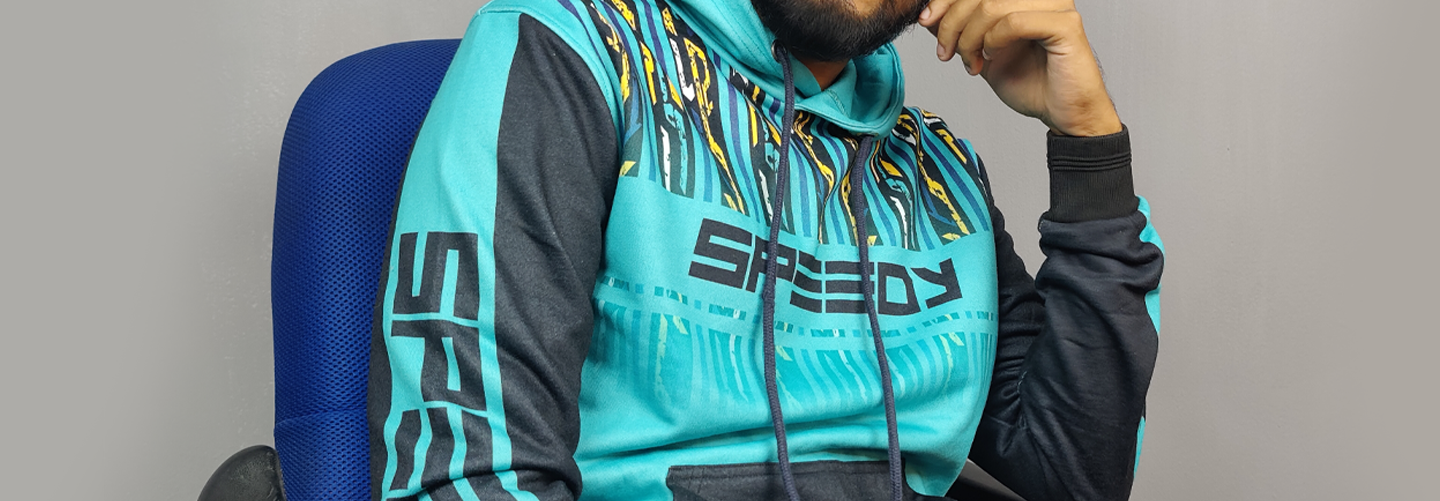
From college campuses to corporate corridors, the humble hoodie has evolved from simple sportswear into a universal symbol of casual sophistication. Yet finding the right hoodie involves more than grabbing one that looks good on a hanger. Materials, construction, fit, and purpose all play decisive roles in comfort, durability, and style.This professional guide explores every dimension of buying hoodies, helping you invest wisely, whether you’re building a capsule wardrobe, outfitting a team, or expanding a retail line.
1. Understanding the Hoodie: A Modern Essential
Few garments balance utility and identity as seamlessly as the hoodie. What began as a practical layer for athletes and workers now anchors contemporary fashion worldwide.
The hoodie originated in the 1930s as a practical garment for cold warehouse environments. By the 1970s, it became synonymous with athletic wear and youth subculture. Today, it straddles multiple worlds: streetwear, luxury, sustainability, and athleisure, adapting to various climates, trends, and lifestyles.
Professionally speaking, a hoodie’s value lies in its versatility. It transitions from gym sessions to creative studios, from outdoor commutes to relaxed weekend attire. The cut and material influence how formal or casual it appears: brushed fleece suggests comfort, while smooth jersey cotton conveys a polished look.
Performance meets presentation: The modern hoodie serves both ergonomic and aesthetic purposes. Ergonomically, its hood shields from weather; stylistically, its minimalist silhouette complements nearly any wardrobe base. Companies leverage it for branding; designers use it to blend comfort with statement.
Quick Tips
Choose neutral tones (black, gray, navy) for maximum pairing flexibility.
Verify fabric weight (GSM) according to the climate; lightweight for indoor use, heavy for outdoor use.
Assess stitch density; denser stitching resists wear and shape loss.
Example
A start-up founder attending meetings in a heather-gray pullover hoodie layered beneath a structured blazer projects innovation and ease simultaneously, a prime example of modern professionalism meeting comfort.
2. Key Features to Look for in a Hoodie
The difference between an ordinary sweatshirt and a premium hoodie lies in the engineering of minute details that dictate comfort, performance, and longevity.
Fabric Construction
The first indicator of quality is fabric composition. Pure cotton delivers breathability and softness, but may shrink slightly. Blended cotton-polyester fabrics, on the other hand, improve shape retention and durability. For athletic or corporate uniforms, polyester or performance knits enhance moisture control.
Seams and Stitching
Examine seams where tension is likely to occur, such as the shoulders, cuffs, and pockets. Double-needle stitching or cover seams extend the life expectancy. Cheap single seams unravel quickly after repeated washes.
Hardware and Components
Zippers should glide smoothly; YKK metal or coil zippers are industry standards. Drawstrings must have secure metal or plastic aglets to prevent fraying. Pocket placement affects both aesthetics and utility; kangaroo pockets emphasize casual comfort, while side-entry pockets streamline the silhouette, enhancing its overall look.
Hood Structure
A lined hood with reinforced panels holds its shape and sits evenly across the shoulders. Thinner single-layer hoods are lighter but collapse easily.
Fit and Finish
Inspect for even dyeing, aligned stitching, and tidy labels. Wrinkles or puckered seams suggest poor manufacturing tolerance.
Quick Tips
Inspect seams before purchase; they reveal manufacturing quality faster than price tags.
Check zippers by fully opening and closing them twice; any snagging indicates potential long-term frustration.
Prefer lined hoods for a structured appearance in professional settings.
Example
A Uniqlo full-zip hoodie exemplifies balanced design, featuring lightweight cotton-blend fleece, precise seams, and a minimal zipper track, ideal for office layering or travel wear.
3. Types of Hoodies
Selecting the right type determines how well your hoodie performs its intended role, whether it's for comfort, sport, or brand identity.
Pullover Hoodies
Pullover styles embody simplicity. They retain heat effectively because the torso remains uninterrupted by zippers. They’re suited for cooler environments and branding prints.
Professional use: Marketing teams often prefer pullovers for uniform merchandise because of their uninterrupted surface for embroidery or screen-print logos.
Zip-Up Hoodies
Zip-ups excel in adjustability and layering. They allow ventilation and quick removal, making them perfect for travel or light workouts.
Oversized Hoodies
Driven by streetwear culture, oversized fits communicate relaxed confidence. Although not traditionally corporate, their silhouette can suit creative industries or retail environments, emphasizing youth culture.
Performance Hoodies
Made from polyester-spandex blends or technical fleece, these prioritize moisture management and mobility. Look for mesh inserts or underarm gussets for ventilation.
Designer or Fashion Hoodies
Luxury houses reinterpret hoodies using premium cottons, sustainable cashmere, or statement prints. Though high-priced, they reflect craftsmanship and exclusivity.
Quick Tips
Pullover: Choose for warmth and branding.
Zip-Up: Choose for versatility and travel.
Performance: Ideal for outdoor or athletic teams.
Example
A Nike Tech Fleece hoodie exemplifies innovation, precision fit, heat-retaining yet lightweight fabric, and ergonomic panels, bridging performance and urban style.
4. Materials that Matter, Fabric Guide
The longevity and comfort of any hoodie depend almost entirely on its textile composition. Fabric choice dictates softness, insulation, drape, and care requirements.
Cotton
Pure cotton remains the benchmark for everyday comfort. It’s hypoallergenic and breathable but absorbs moisture, making it less ideal for intense workouts.
Cotton-Polyester Blends
Combining the softness of cotton with the resilience of polyester creates a balanced garment. Blends of 60/40 or 70/30 resist shrinkage and wrinkles, sustaining shape through repeated washing.
Fleece
Fleece, whether made from cotton or synthetic materials, delivers insulation and a plush texture. Ideal for cold climates, it’s common in winter collections or lounge lines.
French Terry
This mid-weight knit features soft loops inside, making it cooler than fleece and perfect for transitional seasons or indoor use.
Polyester and Technical Knits
Performance hoodies rely on polyester’s moisture-wicking capacity. Spandex or elastane inclusions improve stretch and recovery, which is essential for athletes.
Eco-Friendly Textiles
Organic cotton, bamboo viscose, and recycled PET fibres cater to sustainability goals without sacrificing comfort. Verify certifications such as GOTS or OEKO-TEX.
Quick Tips
For everyday wear, choose 100 % cotton or 70/30 blends.
For training, select polyester with elastane for optimal performance.
For sustainability, look for products labelled as organic or made from recycled materials.
Example
A Pangaia recycled-cotton hoodie demonstrates how eco-innovation meets modern minimalism, soft to the touch, with a reduced carbon footprint, and built to last.
5. Choosing the Right Fit and Style
The fit transforms a hoodie from casual loungewear to a polished wardrobe staple. Selecting the right size, cut, and silhouette ensures comfort and style longevity. Fit is the intersection of functionality, comfort, and personal style. Hoodies generally fall into three main categories: slim, regular, and oversized. Slim-fit hoodies follow body contours and are ideal for layering under jackets or blazers. Regular-fit hoodies strike a balance between comfort and appearance, making them suitable for casual and semi-formal occasions. Oversized hoodies cater to streetwear trends, offering a relaxed vibe with room for layering.
Sleeve and shoulder considerations: A proper fit ensures that the shoulder seams align with your natural shoulder line, the sleeves reach just past the wrist bone, and the torso length ends slightly below the belt line. Incorrect sizing causes bunching, restricted movement, and uneven layering.
Style elements: Beyond fit, design details influence perception. Ribbed cuffs and hem provide a structured appearance. Kangaroo pockets offer casual functionality, while side pockets maintain a cleaner silhouette. Hood shape matters; lined hoods maintain structure, while thin single-layer hoods are lightweight but collapse easily.
Quick Tips
Try before buying: Move your arms and raise them to check mobility
Layering allowance: For winter, leave extra room for sweaters underneath.
Proportions matter: Pair oversized hoodies with slim pants to achieve a well-balanced look.
Example: A creative professional wearing a slim-fit black hoodie under a charcoal blazer demonstrates clever layering. The hoodie strikes a balance between casual comfort and a semi-formal office environment.
6. Caring for Your Hoodie, Maintenance Tips
A well-maintained hoodie can last for years, retaining its softness, colour, and shape. Neglecting care leads to pilling, shrinkage, and loss of structure.
Washing Guidelines
Turn the hoodie inside out to protect prints and fabric surfaces.
Use cold water and a mild detergent to clean and preserve the fibres gently
Avoid using bleach, as it can damage natural cotton and cause colour fading.
Drying Techniques
Air-dry flat to maintain shape; avoid hanging heavy hoodies, as they can stretch the shoulders
Avoid high-heat dryer cycles to prevent shrinkage and fabric breakdown
For fleece-lined hoodies, gently shake out the fabric to restore loft
Additional Maintenance
Gently brush the fleece linings to keep them soft
Remove lint and pilling using a fabric shaver or gentle hand pick
Store folded rather than hung to prevent shoulder distortion
Quick Tips
Wash like colours together to prevent colour transfer
Treat stains immediately to avoid permanent marks
Rotate hoodies to reduce wear on frequently used pieces.
Example: A Champion Reverse Weave hoodie, washed inside out and air-dried, retains its softness and colour after multiple seasons, illustrating how proper care prolongs investment value.
7. Common Mistakes and Expert Buying Tips
Even seasoned shoppers make errors when purchasing hoodies. Recognizing pitfalls ensures both comfort and longevity.
Common Mistakes
Ignoring fabric composition: Heavy synthetics may compromise breathability; pure cotton may shrink.
Buying the wrong size: A garment that is too tight restricts movement, while one that is too loose appears sloppy
Neglecting weight (GSM): Lightweight hoodies are insufficient for cold weather; heavy fabrics may overheat indoors.
Focusing on logo over quality: Popular brands can charge premiums without better material.
Overlooking care requirements: Incorrect washing or drying can shorten the lifespan.
Expert Buying Tips
Always check tags for cotton percentage, GSM, and washing instructions.
For online purchases, refer to the sizing charts and customer reviews for accurate information
Invest in neutral colours for maximum versatility.
Consider blended or performance fabrics for active lifestyles
Evaluate hood construction and pocket design for functional value.
Quick Tips
Feel the fabric before purchase to judge comfort and weight.
Look for reinforced seams at high-stress areas.
Strike a balance between style and function, avoiding trendy fits that sacrifice durability
Example: A shopper choosing a 60/40 cotton-poly blend hoodie for winter layering avoids shrinkage, maintains warmth, and achieves a comfortable silhouette.
8. Sustainable Hoodies and Ethical Fashion Choices
Modern consumers increasingly value sustainability and ethical production in their wardrobes. Hoodies are no exception.
Eco-Friendly Materials
Organic cotton minimizes the use of pesticides and enhances soil health.
Recycled polyester reduces plastic waste and carbon footprint.
Bamboo or hemp blends offer durability and natural antimicrobial properties.
Certifications
GOTS (Global Organic Textile Standard) ensures the integrity of organic fibres.
OEKO-TEX verifies non-toxic processing.
Fair Trade indicates ethical labour practices.
Ethical Brands
Pangaia, Tentree, and Patagonia prioritize sustainable sourcing and transparency in manufacturing
Even mainstream brands like Uniqlo and H&M have eco-friendly collections
Quick Tips
Prefer durable fabrics, fewer replacements reduce environmental impact
Support brands with transparent supply chains
Look for classic designs to maximize long-term wear
Example: A Pangaia recycled cotton hoodie combines softness, durability, and sustainability, appealing to both eco-conscious professionals and fashion-forward consumers
9. Styling Tips: How to Wear Hoodies for Every Occasion
Hoodies are no longer confined to casual settings; they can be styled for offices, travel, streetwear, and social events without compromising professionalism.
Casual Wear
Pair neutral hoodies with jeans, sneakers, or casual boots for a versatile look
Layer under denim jackets for a classic urban aesthetic
Office-Appropriate Outfits
Slim-fit hoodies under blazers or structured coats create a smart-casual look.
Stick to muted tones to maintain a sophisticated look
Streetwear and Trendy Looks
Oversized hoodies with joggers, cargo pants, or sneakers achieve modern streetwear appeal
Accessorize minimally: hats, watches, or backpacks complement without overwhelming
Travel and Athleisure
Performance hoodies enhance comfort and functionality during long commutes or flights, providing a convenient solution for staying warm and dry.
Layer with jackets for temperature regulation.
Quick Tips
Balance proportions, pair oversized tops with slim bottoms.
Limit bold graphics in formal or semi-formal contexts.
Match the colour palette with outerwear, footwear, and accessories.
Example: A navy slim-fit hoodie layered under a camel overcoat, paired with chinos and leather sneakers, exemplifies a polished, versatile look suitable for both commuting and casual meetings.
Conclusion, Master Your Hoodie Choice
Choosing the right hoodie strikes a balance between comfort, functionality, and personal style. Whether selecting fabrics, evaluating fit, or considering ethical production, informed decisions ensure long-lasting wear and style versatility.Invest wisely in quality materials, understand the nuances of construction, maintain garments properly, and explore sustainable options. With these insights, the hoodie transcends its casual origins to become an indispensable component of your professional and lifestyle wardrobe.
Recent Posts
-
 The Ultimate Guide to Motorcycle Ri...
 -
How to Choose the Best Motorcycle G...
08 Dec 2025
-
 Top 10 Motorcycle Jackets Every Rid...
08 Dec 2025
Tags: